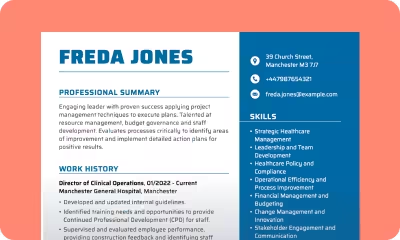
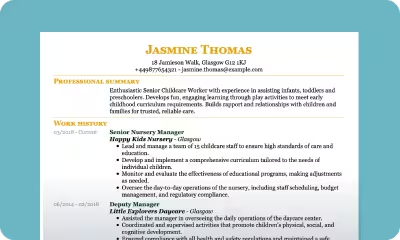
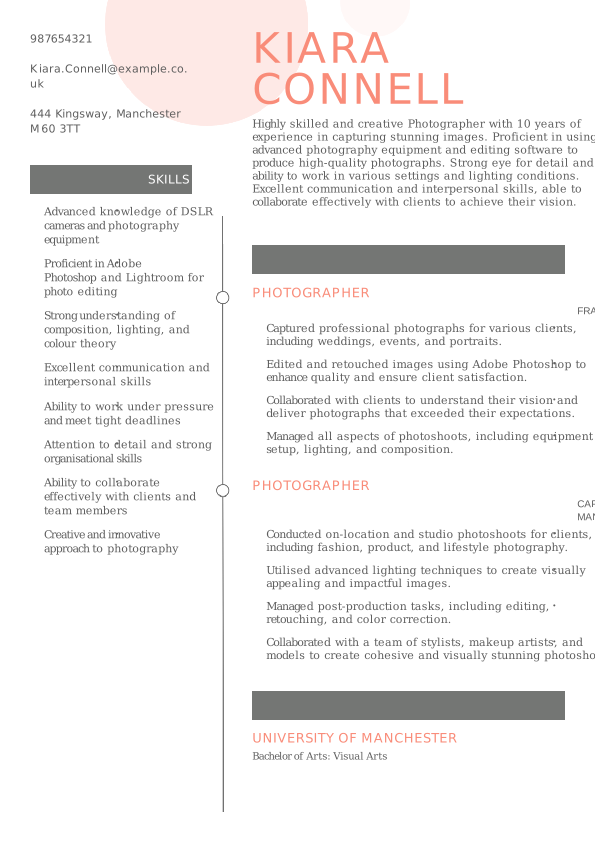
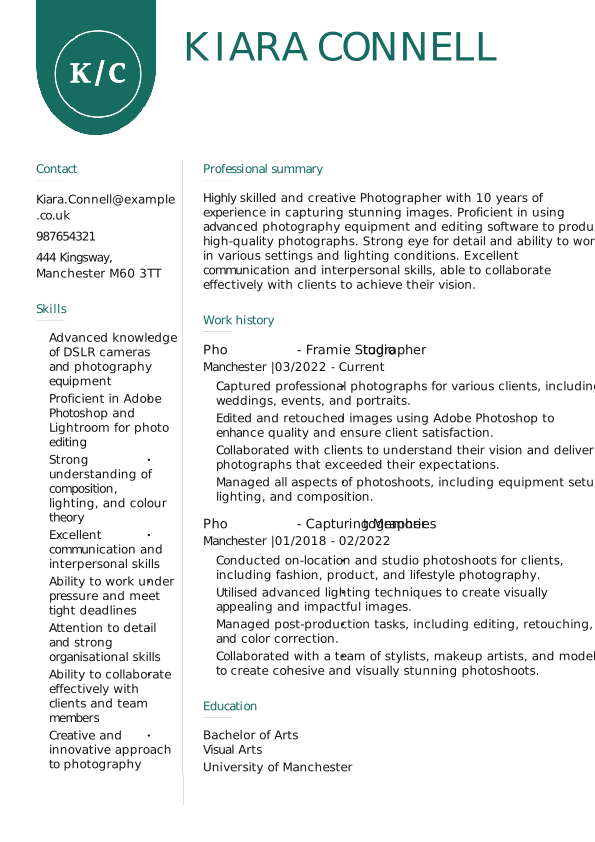
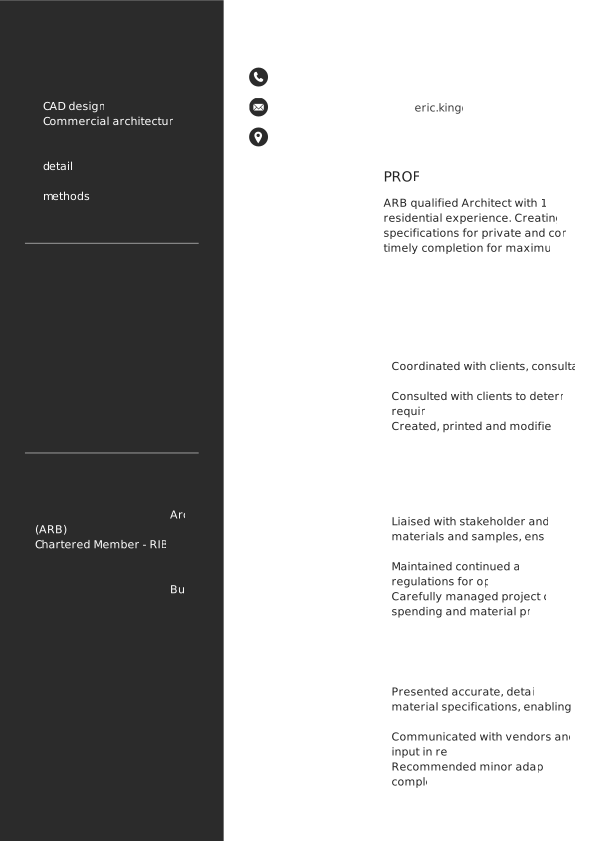
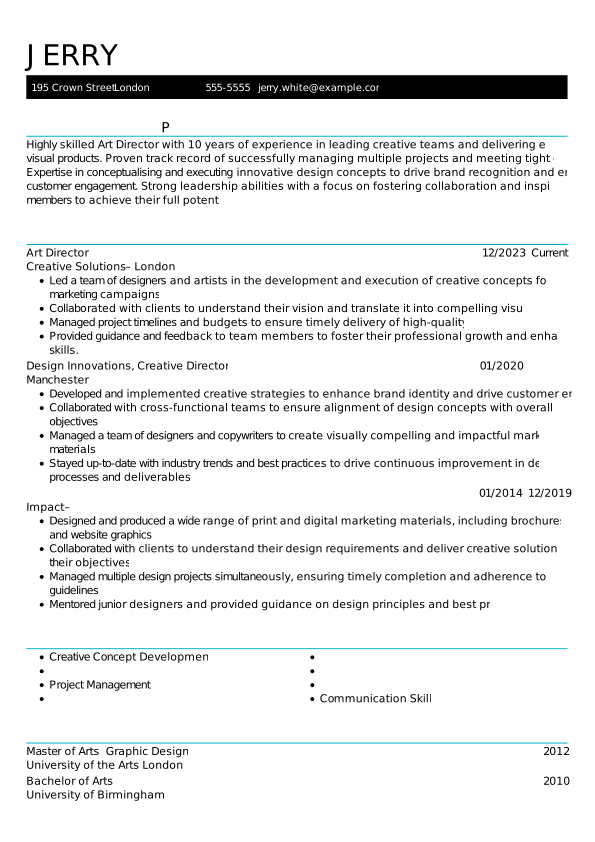
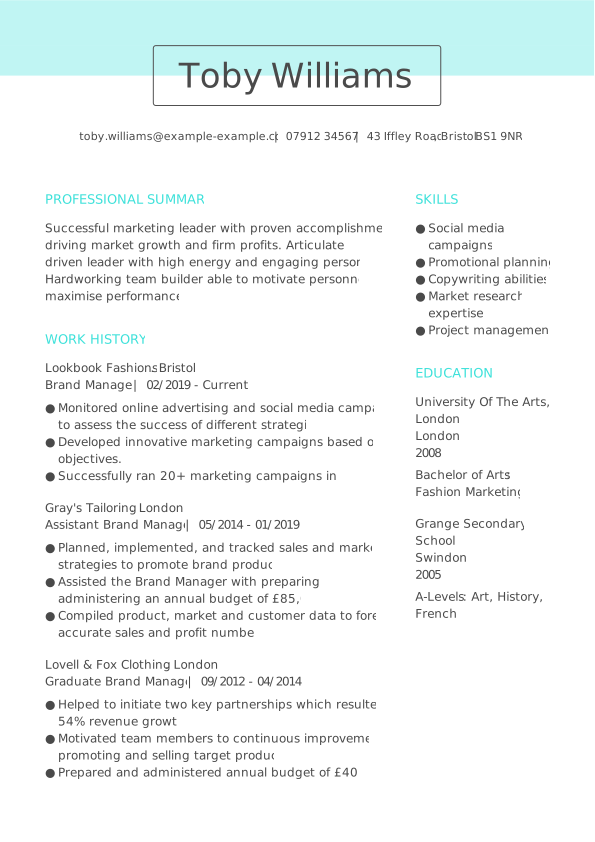
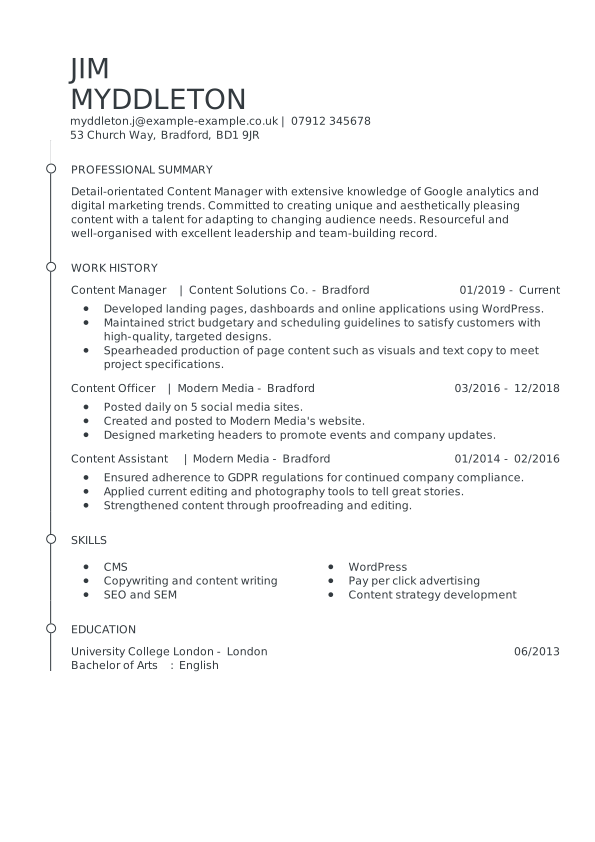
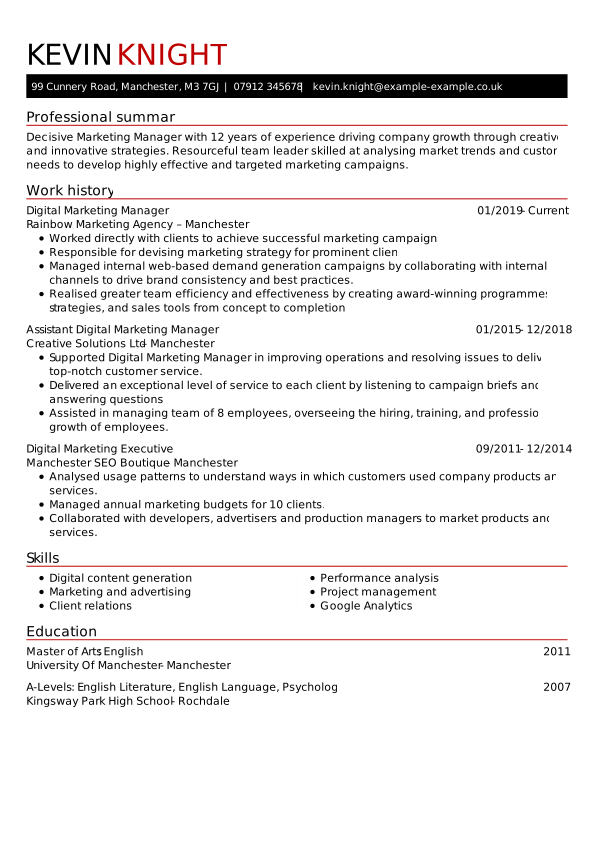
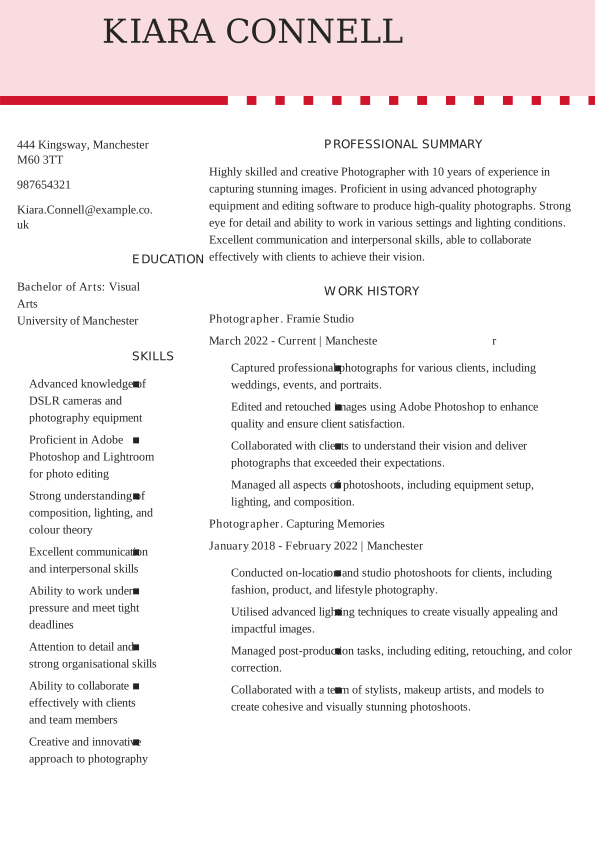
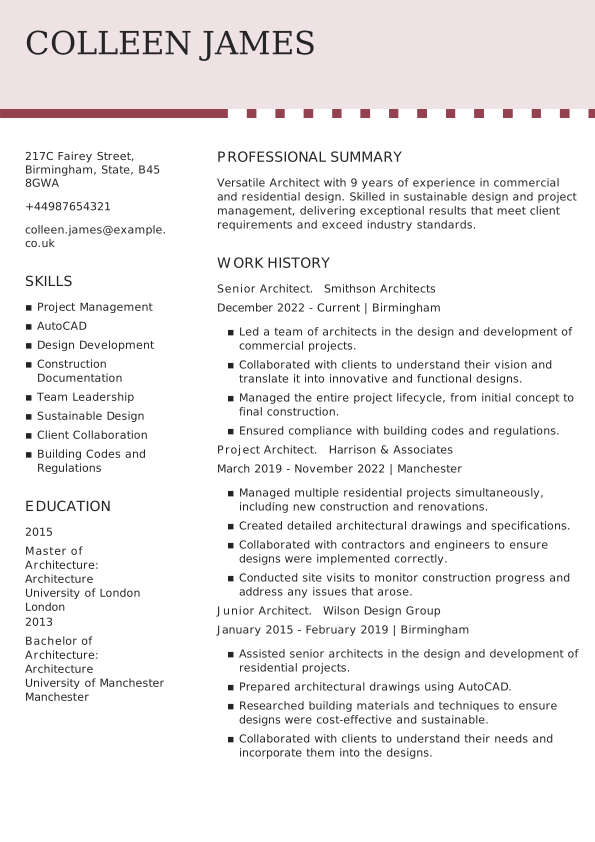
Creative CVs break away from traditional job application design to highlight your skills in a unique way. This could mean using creative writing to describe your skills more vividly or adding a visually striking header at the top. These CVs are useful to help you stand out in competitive creative industries, and if you work in these industries, a creative CV can make a world of difference. They are not mandatory, however, and in some cases, a simple CV may be more suitable.
Read on to learn step-by-step how to write a creative CV and decide if this type of CV suits your career goals:
STEP 1Choose the right template
Start by choosing a creative CV template that matches your personality and profession. Whether you prefer a colourful design or one that’s simple and emphasises content, finding a suitable template is essential to creating a compelling job application. You can browse our CV template library to find one that offers enough flexibility to showcase your creativity while maintaining clarity.
STEP 2Include your contact details
Make it easy for recruiters and potential employers to contact you by clearly stating your name, location, phone number, and email address at the top of your CV. If you work in a creative field like graphic design or illustration, including a link to your digital portfolio is also a good idea. For example, you can include a link to your Behance or Dribbble profile if you’re active there.
Example:
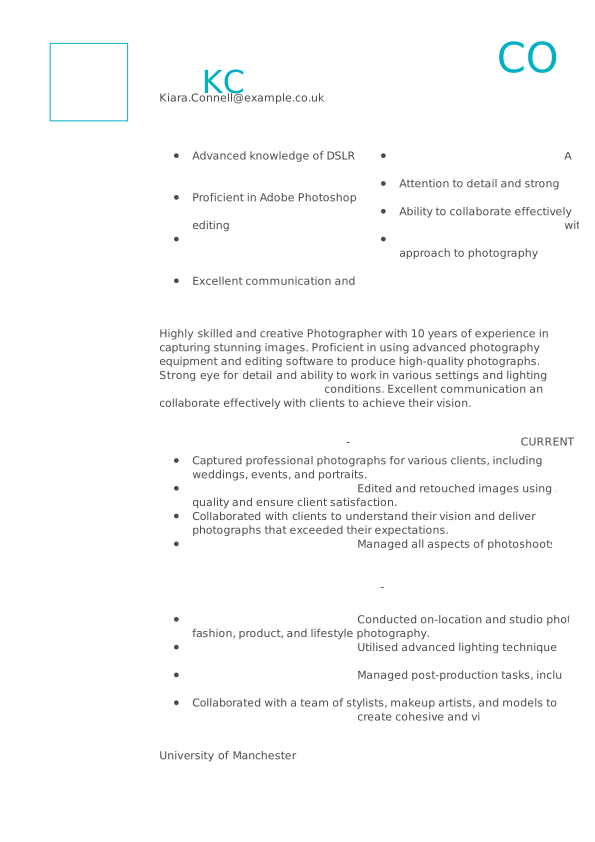
Kiara Connell
444 Kingsway
Manchester M60 3TT
kiara.connell@example.co.uk
07912 345678
STEP 3Provide your work history
Include your work history, starting with your most recent or current job or project. This reverse chronological format lets you showcase your most relevant and recent experience first, making it easier for recruiters to see your career progression and the skills you’ve recently applied to succeed at work.
Use bullet points and action-oriented language to highlight your impact. Whenever possible, quantify achievements that directly relate to your duties. For example, instead of just saying that you’re responsible for managing social media, you can write: “Increased social media engagement by 35% through targeted content strategy”.
Example:
Social Media Manager (July 2022 – Current)
Creative Marketing Agency, London
Collaborated with graphic designers and copywriters to create visually compelling posts that increased brand awareness metrics by 25%.
Developed and implemented a data-driven social media strategy that increased follower growth by 35% across Instagram, Twitter, and LinkedIn.
Led a content campaign that increased client engagement rates by 40% in six months.
STEP 4List your skills
Dedicate the next section of your creative CV to your unique skills. Use bullet points to highlight the abilities that make you stand out in your field. Include a mix of hard and soft skills that directly relate to the role you wish to land. Here’s an example skills section for a photographer:
Example:
Communication: strong interpersonal skills to work collaboratively with clients and other crew members
Photography: portrait, event, product photography
Photo Editing: Adobe Photoshop, Lightroom, Capture One
Lighting Techniques: skilled in both natural and artificial lighting setups
Digital Workflow: efficient in managing large image libraries and digital asset management
Time Management: ability to prioritise tasks and meet tight deadlines while maintaining quality
STEP 5Showcase your qualifications
List your education, certifications, and training relevant to the job. For creative roles, this may include formal degrees, online courses, software training, or specific artistic skills, like 3D modelling or animation. You may also include any awards or recognition you’ve received, especially those that align with the role you wish to secure.
Example:
Bachelor of Arts: Graphic Design (2022)
Art Institute of London, London
- Coursework included typography, digital design, motion graphics, and user interface design.
- Senior project selected for display in the university’s annual design showcase.
Certifications
Certificate in Motion Graphics and Animation, School of Motion, 2022
Adobe Certified Expert (ACE) – Photoshop and Illustrator, 2021
Google UX Design Certificate, Coursera, 2021
STEP 6Write your personal statement
It’s often recommended to write your CV’s personal statement (professional summary) last, as it serves as a concise overview of what you’ve already included in other sections of your CV. This section is your chance to grab the recruiter’s attention immediately by summarising your key achievements and what you can bring to the role.
Remember! A well-written personal statement should provide a clear snapshot of who you are and what you do best, reinforcing the value you offer to the employer.
Example:
A UX designer with 5 years of experience creating user-centred designs that improve digital experiences. Passionate about combining design principles with usability to create intuitive and engaging solutions. Thrives in a collaborative environment, working closely with cross-functional teams to bring ideas to life and ensure seamless user interactions. Committed to continuous learning and staying ahead of industry trends to deliver impactful, user-centric designs.
STEP 7Proofread and edit
Carefully review your CV to ensure it’s error-free and presents a polished, professional overview of you as a candidate. Here’s what to check off during this process:
Ask a friend or trusted mentor to review your CV, as this may help spot mistakes you may have missed.
Check for typos, grammatical errors, and formatting inconsistencies.
Pay attention to spacing, alignment, and font size to ensure a consistent look.
Make sure your contact information, including links to your profiles or portfolio, is correct and up-to-date.